FrontStreet Coffee found the following content related to "blended beans" for you

Black coffee is the best way to test the true quality of a bean. Without milk, the flavor, mellowness, and aftertaste will all be apparent. Whether you are making Americano semi-automatically at home, having a cup of iced Americano in summer, or using a Moka pot to brew a pot of fragrant coffee, choosing a suitable dark roasted blended bean can make the product more stable. What we talked about today
Read more →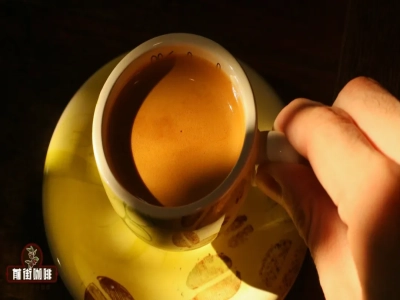
Nowadays, when you walk into a specialty coffee shop and browse through the coffee selections on offer, it is not difficult to find two major categories - single origin coffee and blended coffee. After all, what is the difference between the two? Single origin is single. More and more specialty coffee shops provide single origin (Single Origin) coffee.
Read more →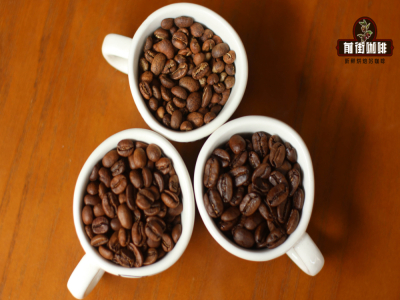
For more knowledge about specialty coffee, please pay attention to: Frontsteet Coffee The degree of roasting of coffee largely determines the flavor of the coffee. When we buy coffee, the label will indicate the degree of roasting, such as light roasting and dark roasting. These are okay
Read more →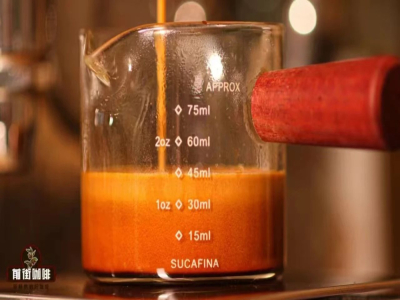
Coffee fans who often go to coffee shops may notice that Italian coffee uses blended coffee beans, that is, two or three coffee beans are mixed together to make a cup of milk coffee or Americano. So what are blended coffee beans? What are Italian coffee bean blends? Just as the article on Front Street said, spell it
Read more →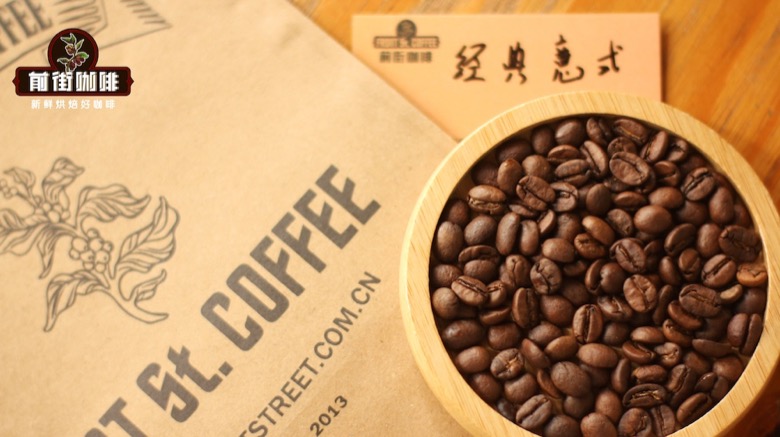
When opening a coffee shop, the choice of Italian blended beans directly determines the basic dish. A cup of latte, a cup of Americano, all rely on this bag of beans. Selecting beans for commercial use is completely different from that for home use. It’s not just about what you think tastes good. You also have to consider the three dimensions of oil performance, cost control and product stability. Italian blended beans
Read more →
Many people like to drink milk coffee, but they may not realize that latte, cappuccino, dirty, and Australian white do not have exactly the same requirements for beans if they also add milk. Some need to be rich and thick, some need to have outstanding sweetness, and some need to have layers of hot and cold collisions. Today’s article will be broken down by drink type to tell you
Read more →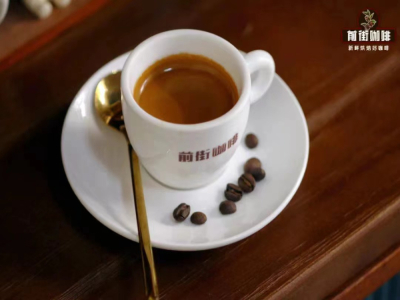
Espresso can be an extraction method or the name of a coffee drink. As an extraction method, espresso is the method most frequently contacted by the public and the most familiar to ordinary consumers. Perhaps because it is so familiar, it creates the most doubts. It is most common for many friends who have just started to learn coffee
Read more →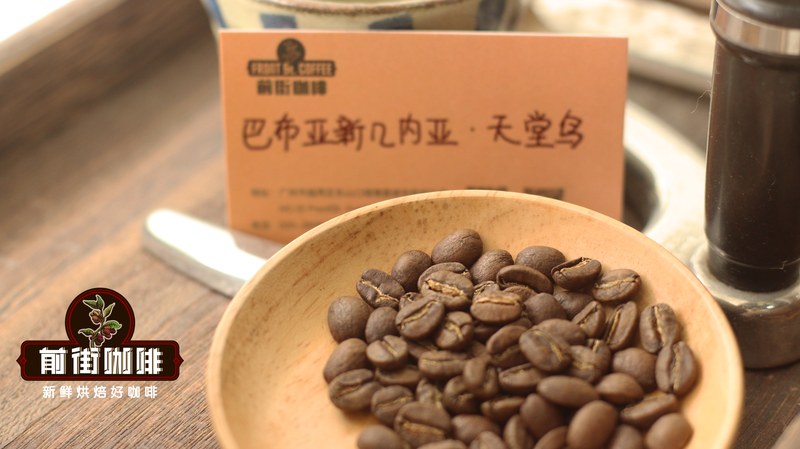
Bean blends suitable for beginners will take on different profiles depending on how they are brewed. Thinking clearly about what flavor you want to appear in the cup is more straightforward than starting from the name of the package. Hand brewing is easy to develop the aroma, coffee machine emphasizes concentration, and Moka pot amplifies mellowness. When choosing beans, you should first determine which method you usually use.
Read more →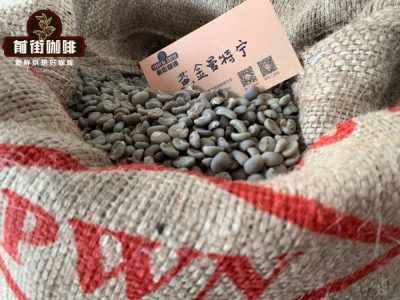
There are many factors that determine whether a cup of coffee tastes good. SOE only refers to espresso made with single-origin coffee beans. The coffee beans used are not necessarily better than the coffee beans used in blended coffee. Single origin coffee beans refer to coffee beans from a single origin. For example, this pack of beans all comes from the same a in the same province.
Read more →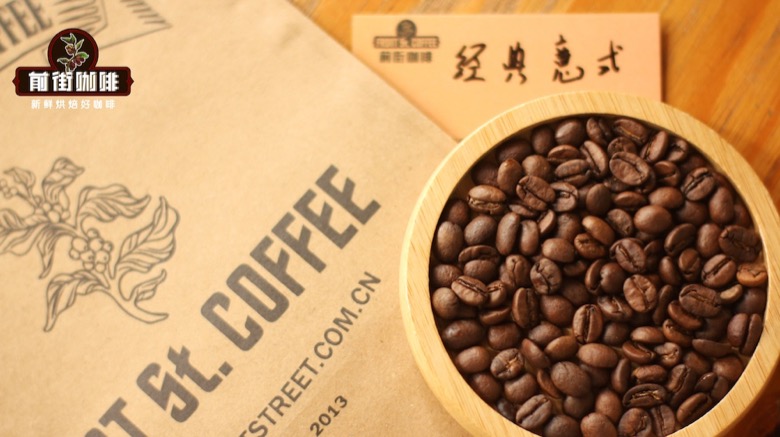
The recipe for a bean blend is like a musical score: each bean is a voice, and the roaster's job is to get them to sing together in the cup to create the designed flavor. This article takes two classic recipes from the front street as an example to break down the role of Arabica beans in blending. Once you understand the design logic, you can read the recipe list of any blend.
Read more →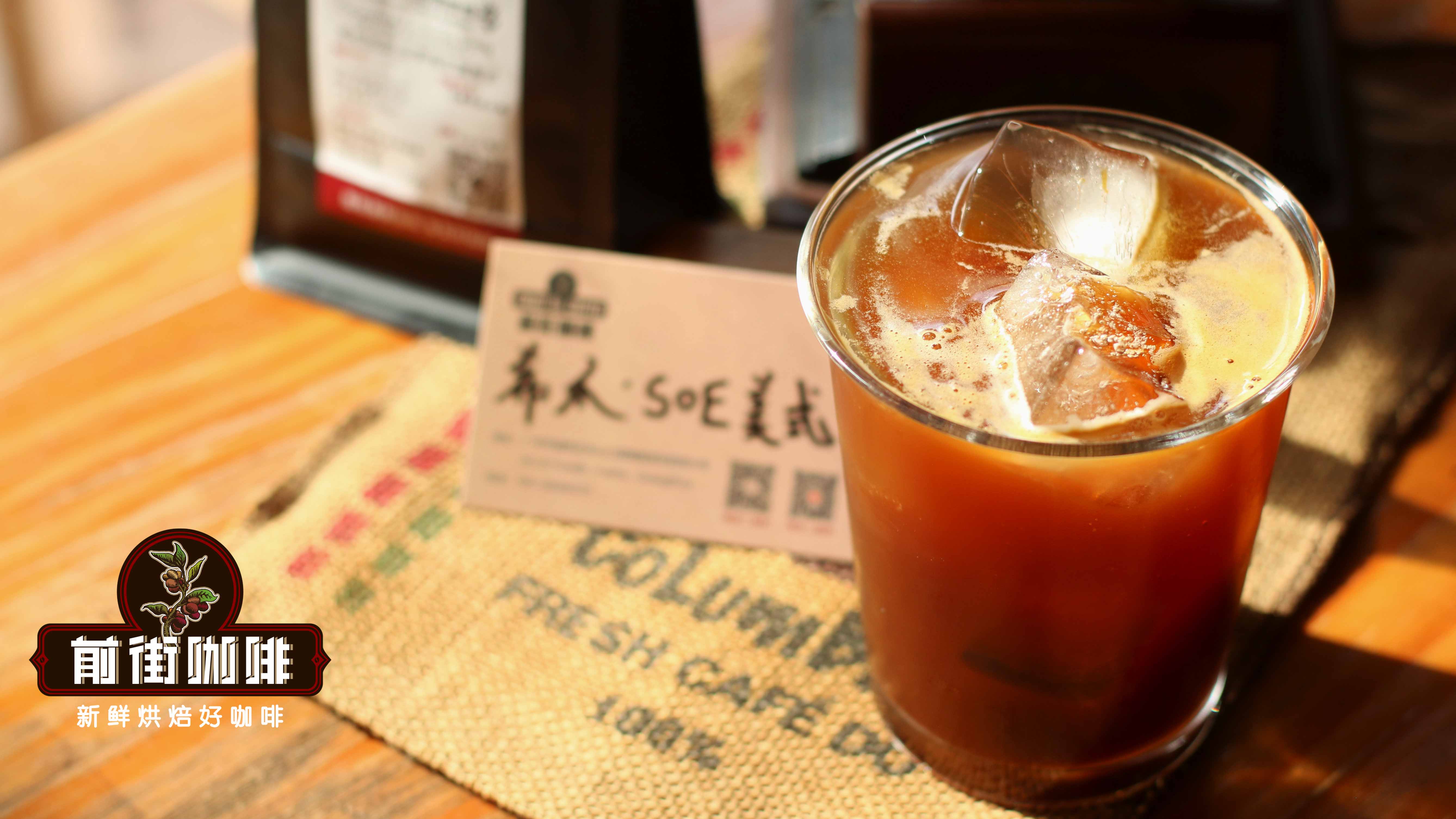
For more knowledge about specialty coffee, please pay attention to: Frontsteet Coffee SOE means single-origin Italian style, origin means single-origin coffee, and Blend means blended coffee beans. FrontStreet Coffee
Read more →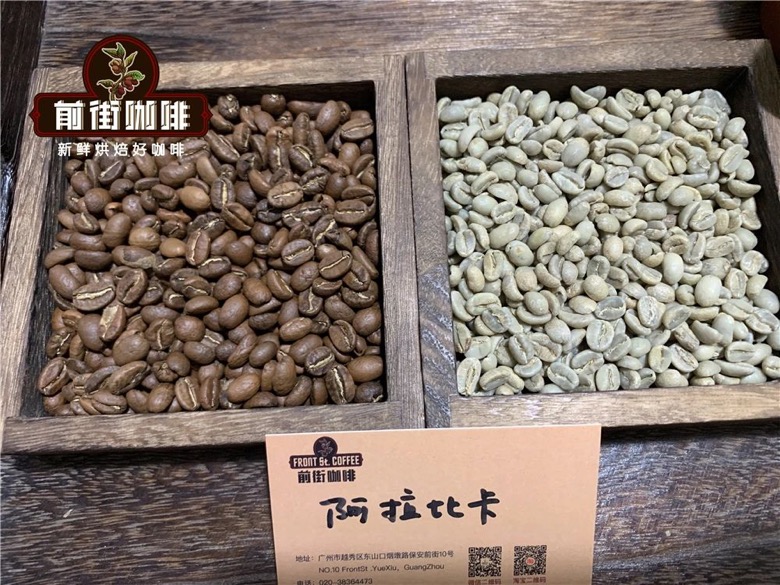
Arabica is the main variety of specialty coffee. You can use it to make Italian style through blending and SOE. Both roads have their own characteristics and are suitable for different drinking needs. It will be easier to choose after clarifying your thoughts. The blending route focuses on stability and balance. Arabica beans from different producing areas are blended in proportion to complement each other in flavor and produce
Read more →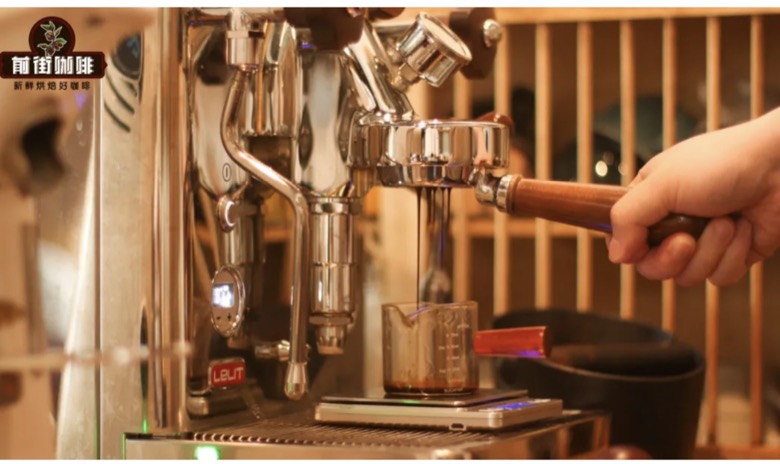
In Italian blends, Arabica beans are the main force. Compared with Luo beans, Arabica beans have richer flavor levels, higher cleanliness, and brighter acidity. Using Arabica beans to make an Italian blend, the core idea is to complement each other's flavors, allowing beans from different production areas to show their strengths in the concentrated extraction, creating a cup that is more balanced and richer than any single product.
Read more →
Blend coffee and hand-brewed single-origin coffee are the two most common industry terms, referring to different types of coffee beans. Blend coffee is a recipe that combines coffee beans from two or more origins. It is usually used in espresso machines. Therefore, in order to highlight the oiliness and mellowness, medium or dark roasting is generally used.
Read more →
For more knowledge about specialty coffee, please follow the WeChat official account: FrontStreet Coffee (FrontStreet Coffee) With the wave of specialty coffee sweeping across the country in recent years, soe coffee has also begun to gain momentum. Therefore, many coffee fans who come to Front Street have recently asked why there is no soe coffee in the front street store.
Read more →
Many friends who are new to coffee will be troubled by these questions. For example, what is Americano? What is the difference between Italian coffee and Americano? Which one is more authentic and delicious? Today Front Street will answer them one by one. First, let’s clarify a few relationships: What is Americano coffee? Use Esp
Read more →
The flavor of milk coffee is 70% coffee and 30% milk. If the concentration is too light, the milk coffee will easily turn into a "milk-flavored drink"; if the concentration is too exciting, the milky flavor will be suppressed. So when making latte, cappuccino, or dirty, choosing the right bean blend is crucial. The following three Front Street blended beans are all suitable for breast milk
Read more →
I have a espresso machine at home and want to drink milk coffee, but I also want to drink a cup of coffee by hand occasionally. How do I prepare beans? Many people's first reaction is to "buy two packs of beans." In fact, the key is to understand that blended beans and single-origin beans perform their respective roles, and then match them according to your own drinking habits. This article clarifies the logic of the two sets of "beans". Blend Beans: Responsible
Read more →
When making Italian coffee, beans determine the lower limit. Whether the espresso tastes good, whether the latte art goes smoothly, and whether the milk coffee blends well or not, largely depends on the Italian beans you choose. Today’s article will not talk about metaphysics, but will explain Italian bean selection clearly from the three dimensions of oil, recipe, and scene. Fat: Espresso, the "face" of Italian beans
Read more →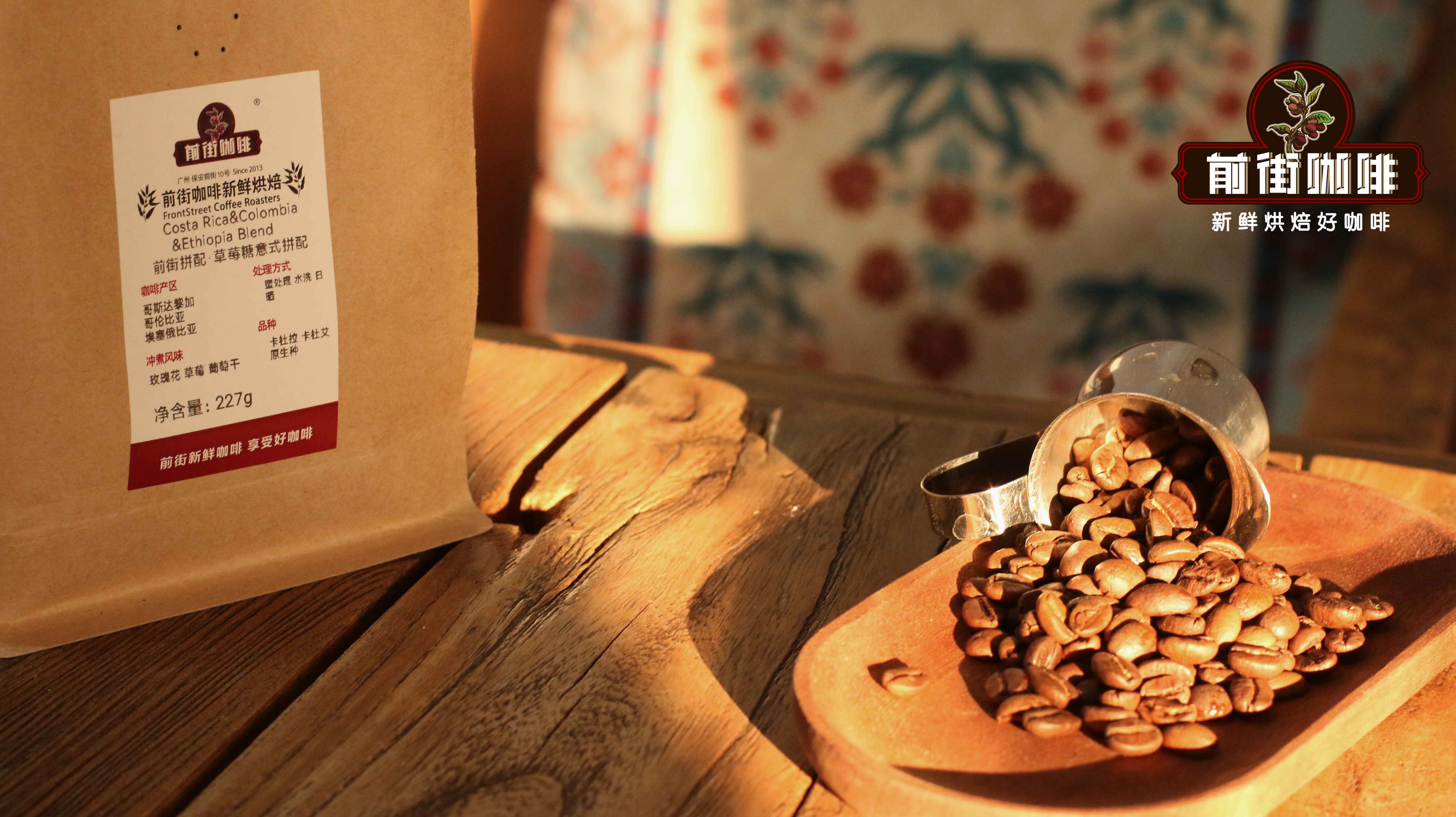
I believe that many friends first came into contact with coffee from espresso drinks, such as espresso latte with milk and espresso with water. They are deeply loved by people. Many people will be curious: Do you have to use dark roasted beans to make espresso? If you make espresso at home
Read more →Be the first to know about new bean releases, brewing tips, promotions and cupping notes

Scan to Follow Front Street Coffee on WeChat
